
Published 28th September 2023
Updated 9th April 2026
Posted by Matthew Carter
The Impact of Fonts on Your Website s Page Speed
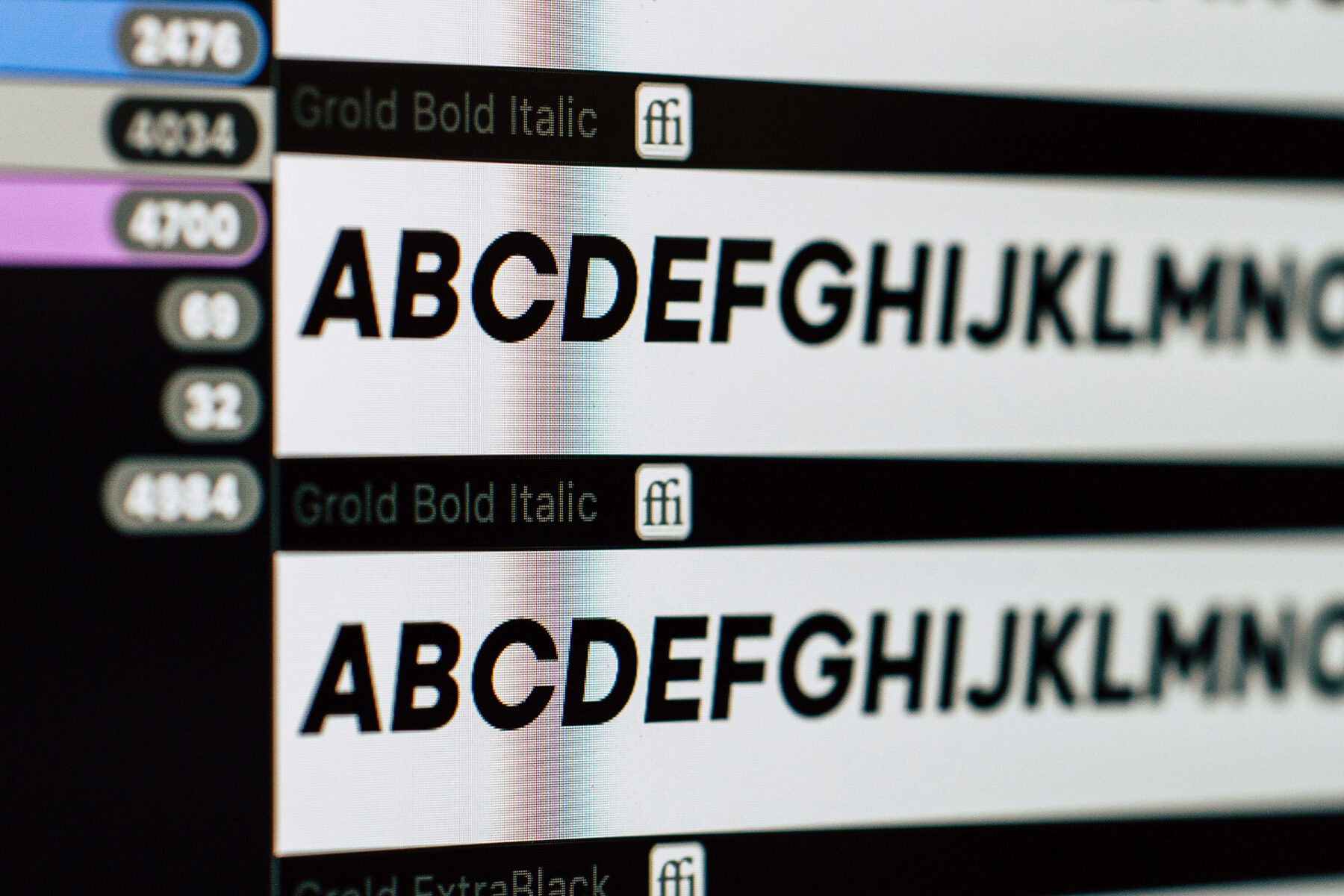
Web design is more than just an art; it balances aesthetics, user experience, and performance. Among the many elements that contribute to the design of your website, fonts play a significant role. Although font selection is typically associated with brand aesthetics and readability, it can also influence your website’s loading speed. This article dives into how fonts can impact your site’s page speed, shedding light on the importance of optimising your web fonts for a seamless user experience.
Understanding Web Fonts and Their Influence on Page Speed
Web Fonts vs. System Fonts
Web fonts and system fonts serve as essential elements in the realm of web design, each offering unique attributes and constraints. Web fonts are typefaces downloaded from the internet each time a webpage is loaded. They aren’t pre-installed on the user’s device, thus offering designers a broad spectrum of creative freedom to ensure consistency in typography across different platforms and operating systems.
On the other hand, system fonts are pre-installed typefaces residing on the user’s device. They are quick to load, as they aren’t fetched from a remote server, which makes webpages using system fonts generally faster.
There are distinct advantages and disadvantages associated with both web fonts and system fonts. Web fonts offer a wide variety of typefaces, aiding in creating a unique and tailored user experience. However, they can impact the webpage’s load time as they need to be downloaded each time the webpage is accessed.
Conversely, system fonts contribute to a quicker webpage loading experience, as they are pre-installed. However, the range of available fonts is limited to those already on the user’s device, potentially compromising the visual consistency across different users’ displays. Balancing the aesthetic desires with performance efficiency is crucial in deciding between these two options for an optimal user experience.
The Role of Web Fonts
Web fonts have come a long way since the early days of the internet, evolving from a limited set of standard system fonts to an extensive array of custom typefaces.These fonts allow you to maintain brand consistency across various platforms and browsers. However, as attractive and versatile as these custom web fonts might be, they come with a potential downside – they can slow down your site if not managed correctly.
Web Fonts and Page Speed
How do fonts affect page speed, you might wonder? Well, when a visitor lands on your web page, their browser has to download all the necessary resources, including web fonts, to display the page correctly. The larger these font files, the longer the browser takes to download them, leading to slower page load times. Therefore, it’s clear that the size and number of font files used on your site can directly influence its speed.
Technical Bits – Load Time Considerations
Before diving into the details, it’s crucial to understand some of the technical elements that can significantly influence the load time of your website, particularly when it comes to fonts.
Download Time
Download time directly affects web font loading performance, as fonts are usually substantial in size and often hosted on external domains. As a result, this can considerably lengthen the time it takes for these files to be downloaded. Therefore, managing your website’s download time can be a powerful factor in ensuring optimal performance, with a particular focus on how fonts are incorporated into your website design.
File Size
File size is a significant determinant of your website’s page speed. Larger font files can markedly slow down the loading time of a webpage, leading to an undesirable user experience. Several common font file formats are used on the web, including TrueType (TTF), OpenType (OTF), Web Open Font Format (WOFF), and Web Open Font Format 2.0 (WOFF2). To mitigate load time issues, it’s beneficial to use optimised font formats such as WOFF and WOFF2, which can help reduce file size and enhance loading speed.
Loading Process
The loading process of web fonts is an under-acknowledged aspect that can substantially impact your website’s page speed. The use of preload headers can instigate the early loading of crucial font files, thus enhancing the speed. However, it’s critical to maintain balance by loading only necessary font files for each page, to avoid potential performance issues. In other words, excess preloading of fonts can lead to performance constraints; hence optimising font loading becomes essential.
Layout Shifts
Layout shifts can dramatically affect both the website’s performance and the user’s experience. Delayed font loading can trigger unexpected layout shifts that can be quite jarring for the user. Various strategies, such as using the font-display property, implementing specific font-loading strategies, and employing font-loading libraries, can be employed to prevent these issues, ultimately leading to a smoother user experience and improved website performance.
The Consequences of Unoptimised Web Fonts
Layout Shifts
Larger font files can slow down your website, resulting in longer load times. This delay can be frustrating for visitors, especially for those using slower internet connections or mobile data. Prolonged load times can discourage users from staying on your site or returning in the future, negatively affecting your traffic and engagement rates.
Negative Impact on User Experience
Slow load times can significantly hamper the user experience. If your users have to wait too long for your content to load due to large font files, they may have a poor experience, which can negatively impact their perception of your brand and increase bounce rate. This is particularly important for the fold content. A fast, responsive site, on the other hand, can create a positive user experience, encouraging repeat visits.
Reduced Search Engine Rankings
Load speed is a crucial ranking factor in search engine algorithms. Sites with slower load times can be penalised with lower rankings, reducing their visibility in search results. If your website’s load speed is being dragged down by large font files, you could be missing out on potential organic traffic.
Strategies for Optimising Web Fonts
Use Web-Safe Fonts
Web-safe fonts are a set of typefaces that are pre-installed across many operating systems. They’re quite popular fonts, and they ensure that the text on your website displays consistently on most devices and browsers since no extra resources are needed. These fonts can significantly speed up your website’s load times as the browser does not need to download any additional font files to render the text. Some common web-safe fonts include Arial, Times New Roman, and Georgia. Here can find a full list of web-safe fonts.
While these may not offer the same level of customisation as some other fonts, their compatibility and speed advantages make them a practical choice for improving your site’s performance.
Minimise the Number of Font Files
By reducing the number of font files used on your site, you can decrease the amount of data a browser needs to download, thereby improving your page speed. You should aim to use as few font families, weights, and styles as necessary to maintain your website’s aesthetic and functionality.
Use Modern File Formats
Modern font file formats such as WOFF2 offer superior compression, which means smaller file sizes and faster load times. By using these modern formats, you can maintain the visual appeal of your fonts without compromising your site’s speed.
Implement Font Display Swap
The font display swap technique, also known as ‘flash of unstyled text’ (FOUT), involves displaying text in a system font until the custom font files have loaded. This approach ensures that your content is visible to the user without delay, improving the perceived load speed.
Leverage Browser Caching
Browser caching involves storing a copy of your site’s files, including font files, in the user’s browser. This way, the browser doesn’t have to download these files every time the user visits your site, leading to faster load times on subsequent visits.
Custom Web Fonts
Custom web fonts have become a crucial tool in website development, offering designers the chance to create visually appealing and distinctive websites that align perfectly with their brand identity. Unlike system fonts, which are limited to what’s pre-installed on a user’s device, custom web fonts offer greater design flexibility, enabling brands to stand out and establish a unique online presence.
The use of custom web fonts typically involves dealing with different font formats such as TrueType Fonts (TTF), OpenType Fonts (OTF), and Web Open Font Format (WOFF or WOFF2). Each of these has different compatibility considerations with various browsers and systems. For example, while TTF and OTF are supported by most browsers, WOFF and WOFF2 are more web-friendly and generally provide better compression for faster load times.
However, using custom web fonts isn’t without its challenges. Given that they are usually larger in size, they can potentially slow down your website’s load speed, impact SEO, and negatively affect the user experience if not handled correctly. But with the right techniques – like font subsetting, font compression, or loading fonts asynchronously – you can make the most of custom web fonts without sacrificing your site’s performance. Thus, while they require a bit more effort, the use of custom web fonts can significantly contribute to your site’s aesthetic appeal and user engagement.
Third-Party Services like Google Fonts
Third-party services such as Google Fonts and Typekit offer extensive web fonts, providing designers with many options to enhance their websites aesthetically. However, these services offer numerous benefits but can also impact website page speed.
One of the most significant advantages of these services is that they are self-hosting fonts that leverage Content Delivery Networks (CDN). These networks are spread globally, serving content to users faster because they are served from the location nearest to the user. Moreover, because services like Google Fonts are widely used, visitors might already have the fonts you’re using pre-downloaded in their browser cache, further increasing load speed.
Despite the benefits, there can be potential drawbacks. For instance, when fonts are hosted externally, as is the case with Google Fonts or Typekit, your site has to make extra HTTP requests, which can add to your site’s loading time and have performance implications.
Additionally, the delay in loading time for these fonts can cause layout shifts, which affect user experience. Therefore, while third-party font services can offer a range of options and benefits, they need to be used judiciously to maintain an optimal balance between design and performance.
Final Words
When designing a website, it’s easy to get caught up in creating an attractive layout and overlook the impact of elements such as fonts on your site’s performance. While choosing the right font is crucial for your brand’s visual identity and user readability, ensuring that your font selection doesn’t hamper your website’s page speed is equally critical. By understanding the impact of fonts on load speed and implementing the strategies outlined in this article, you can strike a balance between aesthetics and performance, thereby offering your visitors a seamless and engaging browsing experience. For top-notch page speed optimization services that will elevate your Digital exposure through SEO, look no further than Atomic, your go-to UK Digital Marketing Agency. Reach out to us today!
Further Reading
View All PostsView All Posts
Statistics that Define Atomic
Impressions since we started 3 Years ago
Conversions across SEO, PPC & Social for our Clients
Average ROAS across our 100+ Global Clients on SEO, PPC & Social