


RAG Systems & Knowledge Bases
Enterprise RAG Development
We build retrieval-augmented generation systems that ground AI responses in your company data, documents, databases, wikis, and knowledge bases, for accurate, hallucination-free answers your teams and customers can trust.

AI That Knows Your Business Inside and Out
Generic AI gives generic answers. RAG systems connect AI to your proprietary knowledge, company policies, product documentation, customer data, internal processes, so every response is grounded in accurate, up-to-date information specific to your business.



Proven Success with Data Driven Design, Development and Digital Marketing.

505%
In Organic Traffic In 3 Months From
17k+
Organic Users Within 12 Months

120%
Increase In Enquiries
730%
Increase In Organic Traffic In 3 Months

+110%
Organic Traffic Uplift Within 3 Months Post-Launch
+65%
Increase In Conversion Rate Across Service Pages

1,600%
Return On Investment On Facebook Ads
860%
Increase In Organic Traffic From Google

68.43%
Decreased BounceRate Of New Website
41.61%
Increased Monthly Impressions
505%
In Organic Traffic In 3 Months From
17k+
Organic Users Within 12 Months
120%
Increase In Enquiries
730%
Increase In Organic Traffic In 3 Months
+110%
Organic Traffic Uplift Within 3 Months Post-Launch
+65%
Increase In Conversion Rate Across Service Pages
1,600%
Return On Investment On Facebook Ads
860%
Increase In Organic Traffic From Google
68.43%
Decreased BounceRate Of New Website
41.61%
Increased Monthly Impressions
505%
In Organic Traffic In 3 Months From
17k+
Organic Users Within 12 Months
120%
Increase In Enquiries
730%
Increase In Organic Traffic In 3 Months
+110%
Organic Traffic Uplift Within 3 Months Post-Launch
+65%
Increase In Conversion Rate Across Service Pages
1,600%
Return On Investment On Facebook Ads
860%
Increase In Organic Traffic From Google
68.43%
Decreased BounceRate Of New Website
41.61%
Increased Monthly Impressions














Service Features
What Our Clients Say About Us

“I can highly recommend Atomic. We have been working with Atomic for some time now. They have designed and created 5 fantastic websites for us, with a complex back end system for our users, as well as some custom event software our users are able to utilize for our corporate events. We are now also in the final stages of launching apps through Atomic.”

“Obviously, the results are the most important thing for us, but so too has been their commitment and enthusiasm. It's clear they are committed and determined to deliver above and beyond expectations. Their overall style is highly collaborative. We have had weekly, online meetings with no less than 3 Atomic consultants present on each call.”

“We have noticed a marked increase in online bookings and enquiries for the events space. We have had lots of comments from customers saying how inviting the site is now, and how easy it is to navigate and make a booking. We were frequently updated by Timothy, who gave us lots of advice and guidance on design and always made himself available for any queries.”

“Our ROAS for our Facebook and Instagram campaigns has averaged around 4-6 with highs of 15 during peak selling time. Previously we had been seeing 0.5-2 with our own marketing. We were impressed with the way they really learnt to understand our business. Though it's likely different to any previous business model they have worked with.”

“I approached Atomic Digital Marketing to modernise and SEO optimise my old dinosaur of a web site. They firstly UX/UI designed and prototyped my new website and then built the entire thing within two months. Not only am i absolutely thrilled with the outcome of what they have produced, so too are my clients.”

“I needed to rebrand my website and Atomic handled the job very quickly, efficiently and without needing much from me which was great. It's very nice to work with a business that you feel has complete control of the work required - especially when you don't understand it yourself.”

“We have been working with Atomic now for over 6 months. They have built a new website, run our CPC and organics. So far so great and we have achieved all that we set out to do. Recommended!”

“The team did a great job at building a website for our first aid training business. I'd recommend Atomic to anyone looking for a good design which also has a focus on SEO site structure.”

“I always doubt the claims of 3rd party tech agencies but received 1st class, rapid service that was right on price and exceeded the deliverables that we had agreed with them. Atomic Marketing know their stuff and delivered for Evolution Power Tools. Easy to work with, quick to respond and exceeded our expectations. That doesn't happen often.”

“Atomic Digital Marketing helped the client generate leads and referral customers. The team was always available for any questions and calls to discuss elements of the website build. They used Agile methodology to iterate quickly and provide guidance on the UX experience. Tim, Justin, Robyn & Peter were always on hand to help.”

“We have been working with Atomic for the first half of the year now, and have offered a fantastic service, extremely knowledgeable and up to date with the latest marketing trends. Very tailored made to our company needs, and always very quick to respond! just a great team all round!!”

“As managing director at Enbi Global, it was made known to me that our SEO was suffering heavily. Atomic first conducted a site SEO audit which identified where our issues lay, and then subsequently worked on the website for the following week ironing these issues out. Following the work, our site optimisation score increased to around 94% and our rankings continued to improve.”
What Our Clients Say About Us
Our Process
Knowledge Audit
We map your knowledge landscape, where information lives, how it's structured, how often it changes, and who needs access to it.
Ingestion Pipeline
We build automated pipelines that extract, chunk, embed, and index your documents, handling PDFs, web pages, databases, and API data.
Retrieval Optimisation
We implement and tune retrieval strategies, hybrid search, re-ranking, query transformation, to maximise the relevance of retrieved information.
Generation Pipeline
We design the generation pipeline with prompt templates, context window management, citation tracking, and response quality controls.
Evaluation & Testing
We build evaluation frameworks with test question sets, accuracy metrics, and automated testing to ensure the RAG system delivers reliable answers.
Deploy & Maintain
We deploy with real-time knowledge sync, performance monitoring, and continuous optimisation based on user feedback and usage patterns.
Our Process






Knowledge Audit
We map your knowledge landscape, where information lives, how it's structured, how often it changes, and who needs access to it.
Ingestion Pipeline
We build automated pipelines that extract, chunk, embed, and index your documents, handling PDFs, web pages, databases, and API data.
Retrieval Optimisation
We implement and tune retrieval strategies, hybrid search, re-ranking, query transformation, to maximise the relevance of retrieved information.
Generation Pipeline
We design the generation pipeline with prompt templates, context window management, citation tracking, and response quality controls.
Evaluation & Testing
We build evaluation frameworks with test question sets, accuracy metrics, and automated testing to ensure the RAG system delivers reliable answers.
Deploy & Maintain
We deploy with real-time knowledge sync, performance monitoring, and continuous optimisation based on user feedback and usage patterns.
Featured Work
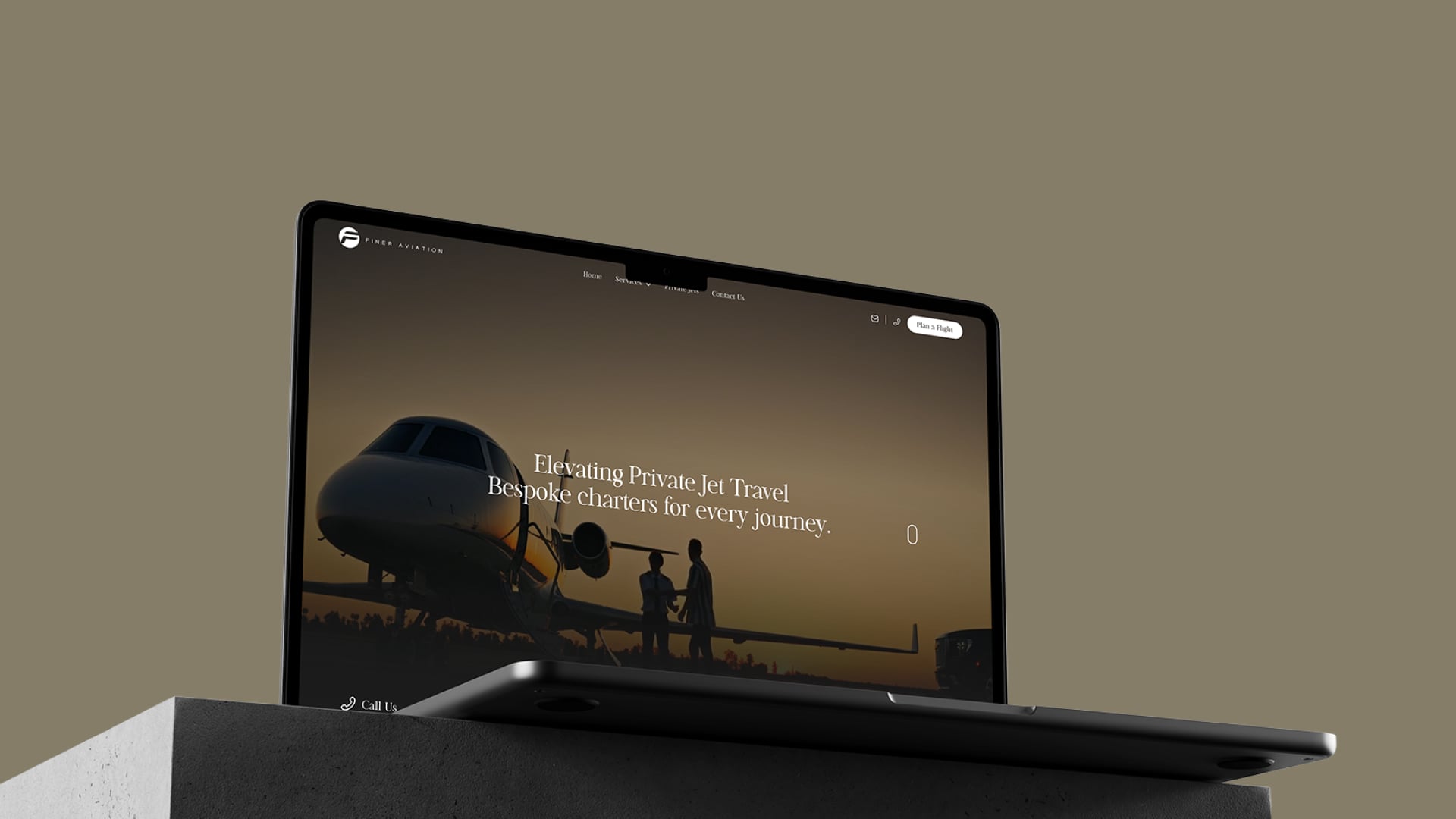
Finer Aviation
A global private jet charter provider needed a premium website to enhance credibility, improve user experience, and streamline inquiries.
View ProjectClarks
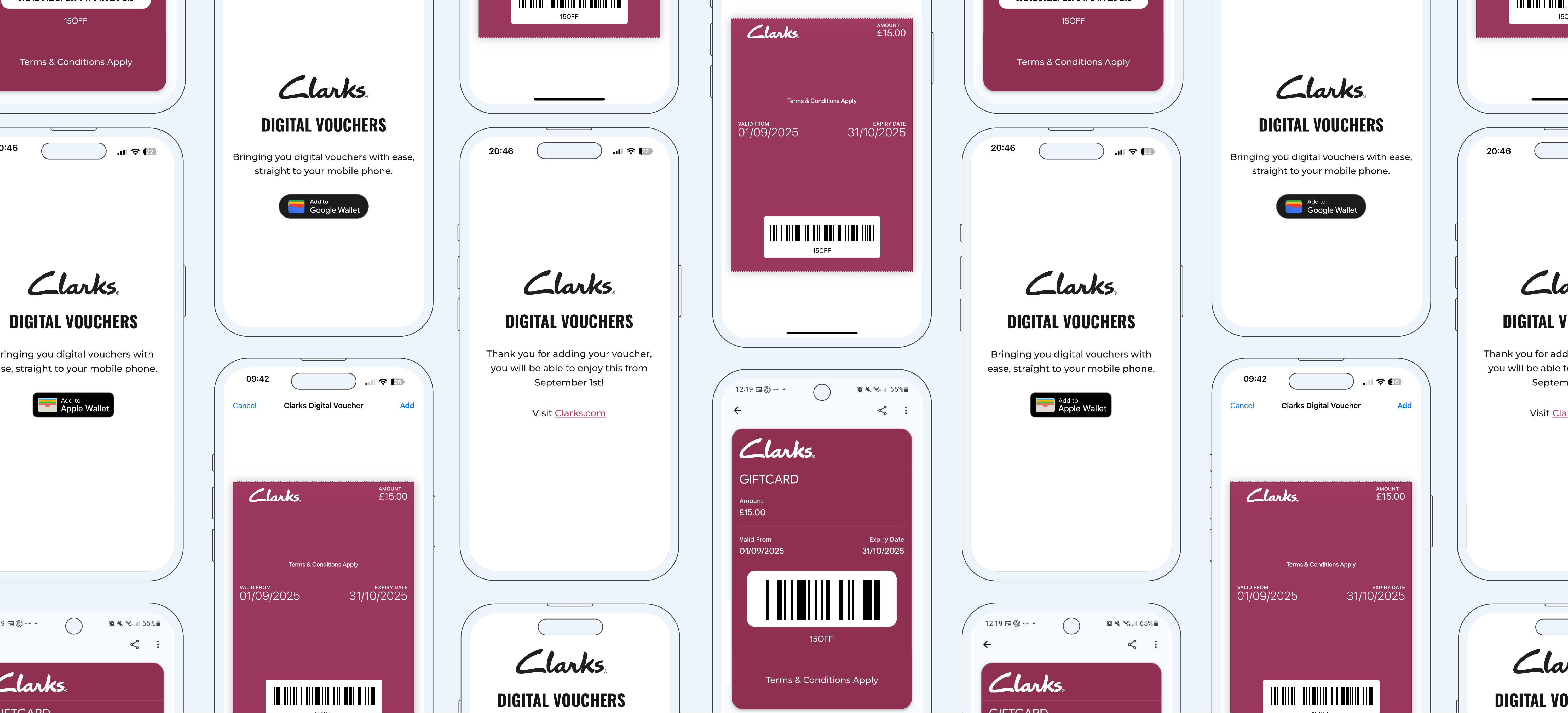
The client, Clarks - a globally recognised footwear brand, needed a digital gift card solution that could be accessed via QR code and stored in mobile wallets, ready for use across multiple markets and platforms.
View ProjectFAQs
RAG (Retrieval-Augmented Generation) gives AI access to your specific company data when generating responses. Without RAG, AI only knows what was in its training data, it can't answer questions about your products, policies, or internal processes. RAG makes AI genuinely useful for your business.
RAG significantly reduces hallucinations by grounding responses in retrieved documents. We further reduce them through confidence scoring, source citation requirements, answer validation, and graceful fallback when relevant information isn't found. No system is 100% hallucination-free, but RAG gets very close for well-documented topics.
We build automated sync pipelines that detect changes in your source documents and update the knowledge base accordingly. For frequently changing data, we can implement real-time sync. For stable documents, daily or weekly updates are typically sufficient.
We work with all major vector databases including Pinecone, Weaviate, Qdrant, Milvus, ChromaDB, and pgvector (PostgreSQL). We recommend the right option based on your scale, query patterns, and infrastructure preferences.